Costa Rica offers four primary pathways for long-term stays: (1) the Digital Nomad Visa (Law 10008) for remote workers earning at least $3,000/month ($4,000/month with dependents) for 1–2 years tax-free; (2) Pensionado residency requiring a lifetime pension or Social Security of at least $1,000/month; (3) Rentista residency requiring $2,500/month in guaranteed unearned income for 2 years (or a $60,000 bank deposit); and (4) Inversionista (Investor) residency requiring at least $150,000 invested in Costa Rican real estate or an approved business.
Legal Disclaimer: Immigration regulations in Costa Rica are administered by the Dirección General de Migración y Extranjería (DGME) and are subject to administrative updates. This guide is for general educational orientation only; always retain a licensed Costa Rican immigration attorney before submitting an application.
One of the first questions people ask when they transition from vacationer to seasonal or full-time resident is: "Do I need residency to buy a condo or spend the winter in Costa Rica?" The short answer is no—foreigners have the exact same constitutional property ownership rights as citizens on titled land, and citizens of the United States, Canada, the UK, and the EU are eligible for tourist entry stamps of up to 180 days (at the border officer's discretion upon showing a return ticket and proof of funds).
However, if you plan to live in Costa Rica more than six months a year, obtain a permanent Costa Rican driver's license without relying on entry-stamp renewals, enroll in the CCSS healthcare system, or eventually apply for Permanent Residency, choosing the right visa or residency category is essential.
1. The Four Main Residency & Long-Stay Categories (2026)
| Category | Core Financial Requirement | Includes Spouse & Dependents? | CCSS (Caja) Required? | Path to Permanent Residency? |
|---|---|---|---|---|
| Pensionado (Retiree) | $1,000 USD/mo lifetime pension (Social Security, military, government, or corporate pension) | Yes (spouse + children under 18, or up to 25 in university) | Yes (mandatory upon approval) | Yes — after 3 years of temporary residency |
| Rentista (Fixed Income) | $2,500 USD/mo guaranteed unearned income for 24 months (or $60,000 deposit in a CR bank) | Yes (one $2,500/mo threshold covers the family unit) | Yes (mandatory upon approval) | Yes — after 3 years of temporary residency |
| Inversionista (Investor — Law 9996) | $150,000 USD minimum verifiable investment in real estate, registrable assets, or business | Yes (spouse + qualifying dependents) | Yes (mandatory upon approval) | Yes — after 3 years of temporary residency |
| Digital Nomad (Estancia — Law 10008) | $3,000 USD/mo remote foreign income ($4,000/mo if applying with family) | Yes (at the $4,000/mo family income threshold) | No (requires private international health policy) | No — 1-year non-resident stay (renewable for 1 additional year) |
2. How Property Ownership Connects to Inversionista Residency ($150,000+)
Under Law No. 9996, Costa Rica lowered the minimum threshold for Inversionista (Investor) temporary residency from $200,000 to $150,000 USD. If you purchase a titled condominium or home valued at $150,000 or more—such as a 3-bedroom residence in Serena Condos (starting from the $320's) or a property in Escazú—that real estate acquisition can serve as the qualifying investment for your residency application, provided the municipal/registered declaration reflects at least $150,000 USD in equity.
3. Document Preparation: The 6-Month Apostille Rule
Nearly all delays in Costa Rican residency applications happen before the file ever reaches San José. Every applicant must provide:
- Federal Background Check: An FBI Identity History Summary (for U.S. citizens), RCMP check (for Canadians), or national police certificate from your country of residence.
- Official Birth Certificate & Marriage Certificate (if applying with a spouse).
- Apostille / Consular Legalization: Every foreign government document must carry an official Hague Apostille from the issuing jurisdiction and be dated within 6 months of the date your application is formally filed with DGME, then translated into Spanish by an official translator in Costa Rica.
4. After 3 Years: Upgrading to Permanent Residency (Libre Condición)
Once you have held temporary residency as a Pensionado, Rentista, or Inversionista for three consecutive years, you can petition DGME to upgrade to Permanent Residency (Residencia Permanente — Libre Condición), which removes the income/investment verification requirement at renewal and grants the right to work as an employee in Costa Rica.
Joshua ten Brink has spent more than two decades living, photographing, and developing residential communities in Costa Rica. Through WildPhotography.com he documents Costa Rica's wildlife, coastlines, cloud forests, and everyday life across Guanacaste, the Central Valley, Arenal, Monteverde, and the Southern Pacific.
Common Questions About Costa Rica Residency Options Explained
Can I buy a condo or house in Costa Rica before I apply for residency?
Yes. Property ownership in Costa Rica does not require residency. In fact, many buyers purchase their home or condo first and then use that $150,000+ property title to qualify for Inversionista (Investor) residency.
How long does DGME take to approve temporary residency?
Once a complete, fully apostilled application is filed with DGME, review timelines typically range from 6 to 14 months. Crucially, once you receive your official filing receipt (expediente number), you are legally permitted to remain in Costa Rica while your application is processed.
Can I drive on my foreign driver's license as a Digital Nomad or Tourist?
Tourists may drive using their valid foreign driver's license for the duration of their legal entry stamp (up to 180 days), and Digital Nomad visa holders are legally authorized to use their home-country driver's license throughout their approved estancia period.
Related Costa Rica Guides
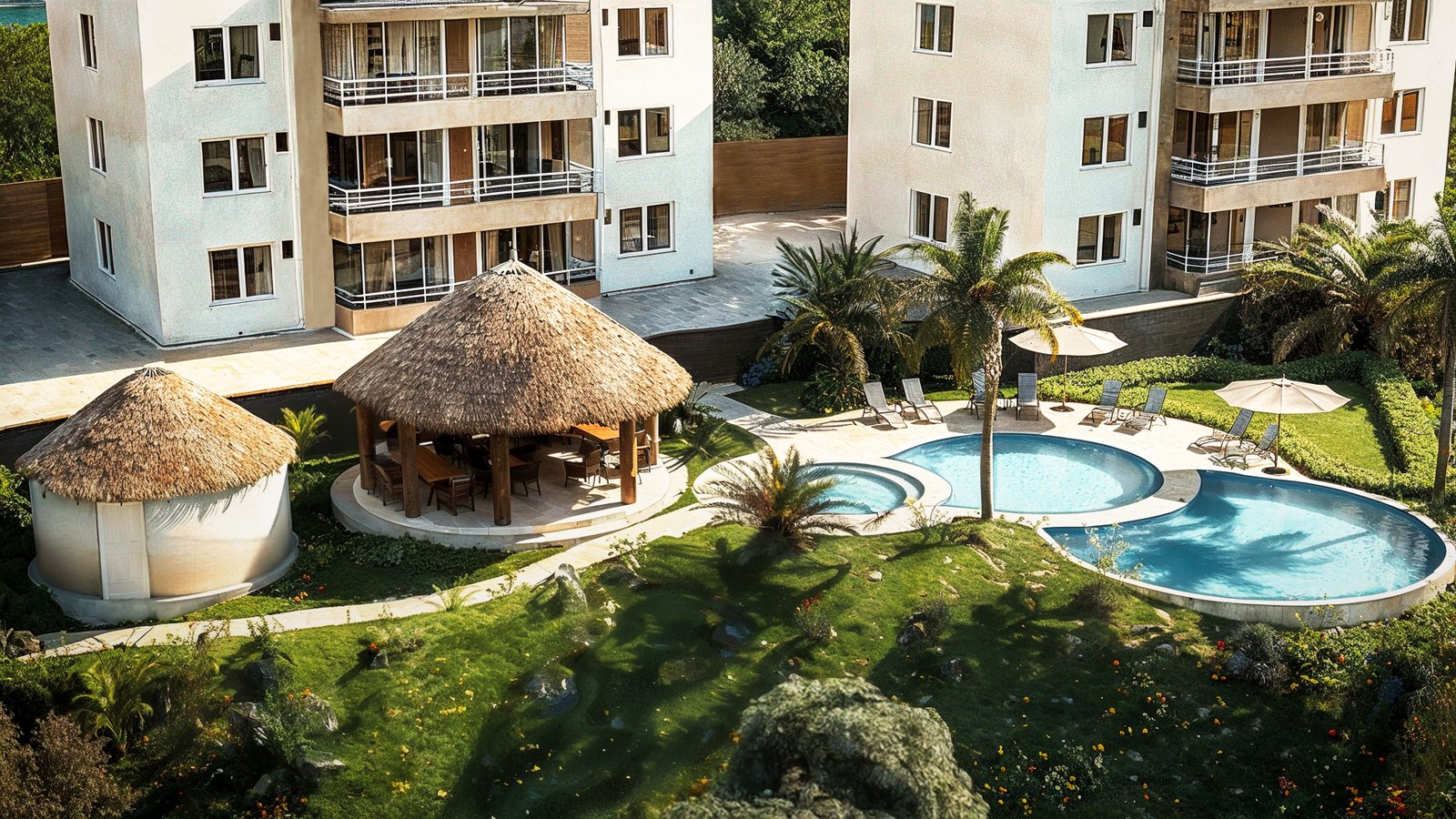
How Foreigners Buy Property in Costa Rica: Fee Simple, Maritime Zone, Concessions & Due Diligence
Under Article 19 of the Costa Rican Constitution, foreign buyers enjoy the exact same fee-simple ownership rights as citizens on titled land—provided you understand the National Registry, Maritime Zone boundaries, and independent legal due diligence.
Healthcare in Costa Rica: How Public (Caja) and Private Care Actually Work
Costa Rica's life expectancy consistently rivals or exceeds North America's, powered by two parallel medical systems that almost every long-term resident uses in tandem.
What It Really Costs to Live Well in Costa Rica: Realistic Monthly Budgets
Costa Rica is neither a rock-bottom bargain nor uniformly expensive. Your monthly spending depends almost entirely on three choices: where you live, how much air conditioning you run, and how you shop for food.
Daily Life Logistics in Costa Rica: Internet, Banking, Groceries, and Getting Around
How do you pay the gardener, keep your Zoom calls online during a tropical thunderstorm, buy a car, and shop for groceries? Here is the practical playbook for everyday life in Costa Rica.