Costa Rica operates a dual healthcare system: (1) the universal public CCSS system ('la Caja'), which is mandatory for legal residents (Pensionado, Rentista, Inversionista) and covers pre-existing conditions, hospitalizations, and prescriptions with $0 copays; and (2) a JCI-accredited private medical network anchored by Hospital CIMA, Hospital Clínica Bíblica, and Hospital Metropolitano, where bilingual specialist consultations cost $70–$120 out-of-pocket and anyone—including tourists—can book same-week appointments.
Editorial Note: This article provides general educational information about Costa Rica's public and private healthcare infrastructure. Always consult qualified medical professionals and licensed insurance advisors regarding your personal health needs.
For anyone considering spending several months a year—or retiring full-time—in Costa Rica, healthcare is rightly at the top of the due-diligence checklist. What surprises most newcomers is that you do not have to choose exclusively between the public system and the private system. In practice, nearly all international residents and middle-class Costa Rican families use both systems strategically.
1. The Public System: CCSS ("La Caja")
Founded in 1941, the Caja Costarricense de Seguro Social (CCSS, universally called la Caja) is Costa Rica's national public healthcare network. It operates 29 national and regional hospitals and more than 1,000 community clinics (called EBAIS—Equipos Básicos de Atención Integral en Salud) distributed across every canton in the country.
- Who Must Enroll: Once your legal residency (such as Pensionado, Rentista, or Inversionista) is approved by immigration (DGME), enrolling in the Caja is a mandatory step before you receive your DIMEX residency card. (Note: Digital Nomad visa holders under Law 10008 are required to carry private international health insurance rather than enrolling in the Caja.)
- What It Costs: Monthly contributions are calculated as a percentage of the income you declared for residency—typically ranging from $95 to $260/month per couple for most Pensionado and Rentista residents.
- What It Covers: 100% of covered medical care with no exclusions for pre-existing conditions, no age cutoffs, and $0 copays or deductibles at the point of service, including emergency trauma care, oncology, surgeries, and prescription medications from the national formulary.
- The Tradeoff: While emergency care in the Caja is immediate, non-urgent specialist appointments, MRIs, or elective orthopedic procedures can involve wait times of several months—which is why residents pair the Caja with private clinics.
2. The Private System: JCI-Accredited Hospitals & Coastal Clinics
Alongside the Caja, Costa Rica has developed one of Latin America's premier private medical sectors. Any visitor, seasonal resident, or citizen can walk in or book an appointment directly—with or without private insurance.
- Hospital CIMA (Escazú & Guanacaste): Operated by International Hospital Corporation (originally developed in partnership with Baylor University Medical Center), the flagship Hospital CIMA San José in Escazú is Joint Commission International (JCI) accredited, with a sister regional hospital—Hospital CIMA Guanacaste—located on Route 21 just outside Liberia (20–25 minutes from Playas del Coco).
- Hospital Clínica Bíblica (San José & Santa Ana): Founded in 1929 and JCI-accredited, featuring a major main hospital in central San José and a modern medical tower in Pozos de Santa Ana.
- Hospital Metropolitano (San José, Lindora, Liberia & Huacas): Known for its affordable MediSmart prepaid medical membership plan (roughly $16–$25/month), which grants 40% to 80% discounts on specialist consultations, lab work, imaging, and urgent care across both the Central Valley and Guanacaste.
| Medical Service / Procedure | Public CCSS ("La Caja") for Enrolled Residents | Private Network Out-of-Pocket (CIMA / Bíblica / Metropolitano) |
|---|---|---|
| General Physician / Urgent Care Visit | $0 copay at assigned local EBAIS clinic | $55 – $85 USD (same-day appointment) |
| Bilingual Specialist Consultation (Cardiology, Dermatology, Ortho) | $0 copay (referral required; wait time varies) | $80 – $130 USD (typically booked within 2–5 days) |
| Comprehensive Blood Panel / Diagnostic Lab Work | $0 copay | $65 – $140 USD |
| Dental Cleaning & Digital X-Ray | Basic preventive care included | $65 – $105 USD at private bilingual dental clinics |
| MRI or CT Scan | $0 copay (scheduled by clinical priority) | $380 – $650 USD (within 24–72 hours) |
3. How Residents Combine Both Systems in Real Life
A typical resident in Playas del Coco or Escazú uses the two systems together through what locals call the Medicina Mixta (Mixed Medicine) approach:
- Routine Checkups, Dermatology & Fast Diagnostics: Book a private bilingual specialist at Hospital CIMA or Hospital Metropolitano ($80–$120, or ~$45 with a MediSmart membership) for a 45-minute appointment the same week.
- Ongoing Prescriptions: Under the official Medicina Mixta program, a registered private physician can write prescriptions on official CCSS forms that you fill at your local Caja pharmacy at zero cost.
- Major Hospitalization or Chronic Care: Carry either a private INS (Instituto Nacional de Seguros) / Pan-American Life policy or rely on the public Caja hospital system as a catastrophic backstop.
Joshua ten Brink has spent more than two decades living, photographing, and developing residential communities in Costa Rica. Through WildPhotography.com he documents Costa Rica's wildlife, coastlines, cloud forests, and everyday life across Guanacaste, the Central Valley, Arenal, Monteverde, and the Southern Pacific.
Common Questions About Healthcare in Costa Rica
How close is Playas del Coco to a full hospital?
Playas del Coco has multiple 24/7 private urgent-care clinics, ambulance services, dental clinics, and pharmacies right in town, and sits just 20–25 minutes on a paved highway from Hospital CIMA Guanacaste, Hospital Metropolitano Liberia, and the public Hospital Enrique Baltodano in Liberia.
Can tourists and non-residents use private hospitals in Costa Rica?
Yes. Anyone with a passport can book appointments directly at Hospital CIMA, Clínica Bíblica, Hospital Metropolitano, or private clinics across the country and pay out-of-pocket by credit card or through international travel insurance.
Does US Medicare cover medical care inside Costa Rica?
Traditional US Medicare does not pay for routine medical care outside the United States (though some Medicare Advantage plans reimburse emergency overseas care). Many retired US citizens in Costa Rica maintain Medicare Part A (and sometimes Part B) for visits back to the US while using private care + CCSS inside Costa Rica.
Related Costa Rica Guides
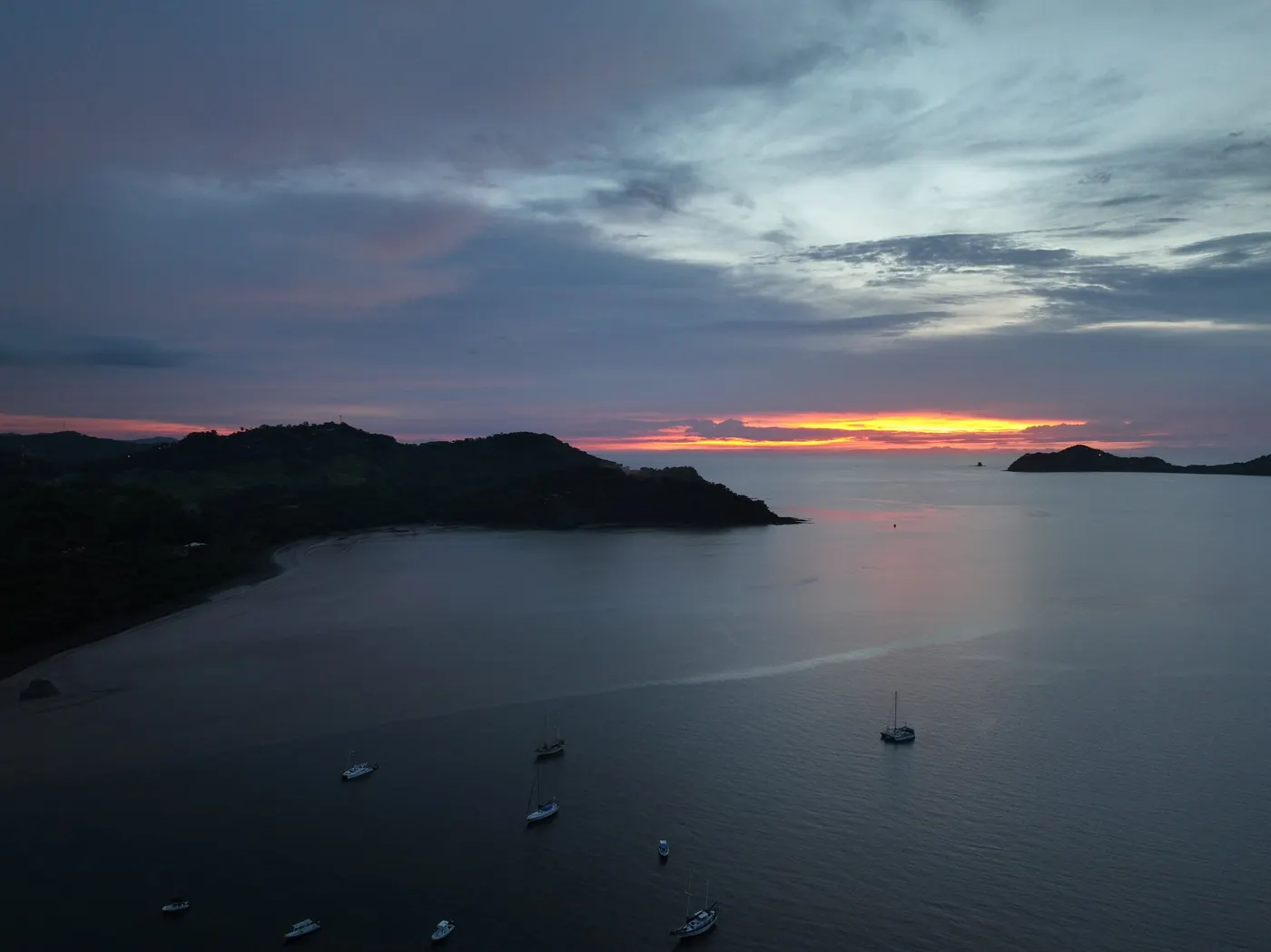
What It Really Costs to Live Well in Costa Rica: Realistic Monthly Budgets
Costa Rica is neither a rock-bottom bargain nor uniformly expensive. Your monthly spending depends almost entirely on three choices: where you live, how much air conditioning you run, and how you shop for food.
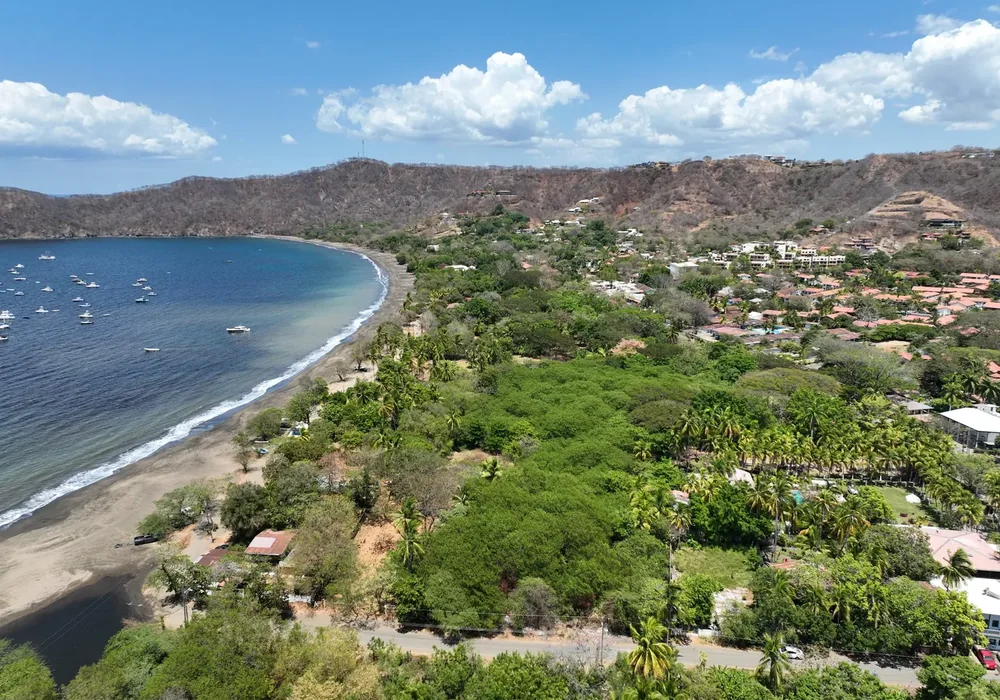
Costa Rica Residency Options Explained: Pensionado, Rentista, Inversionista & Digital Nomad
From the 180-day tourist entry stamp and the Digital Nomad Visa to temporary and permanent residency, here is how legal stay categories work in Costa Rica in 2026.
Guanacaste vs. the Central Valley: Coastline or Mountain Spring Climate?
Choosing between a sun-drenched Pacific bay in Guanacaste and the 24°C mountain air of Escazú and Santa Ana is the single biggest decision for long-stay visitors and future residents.
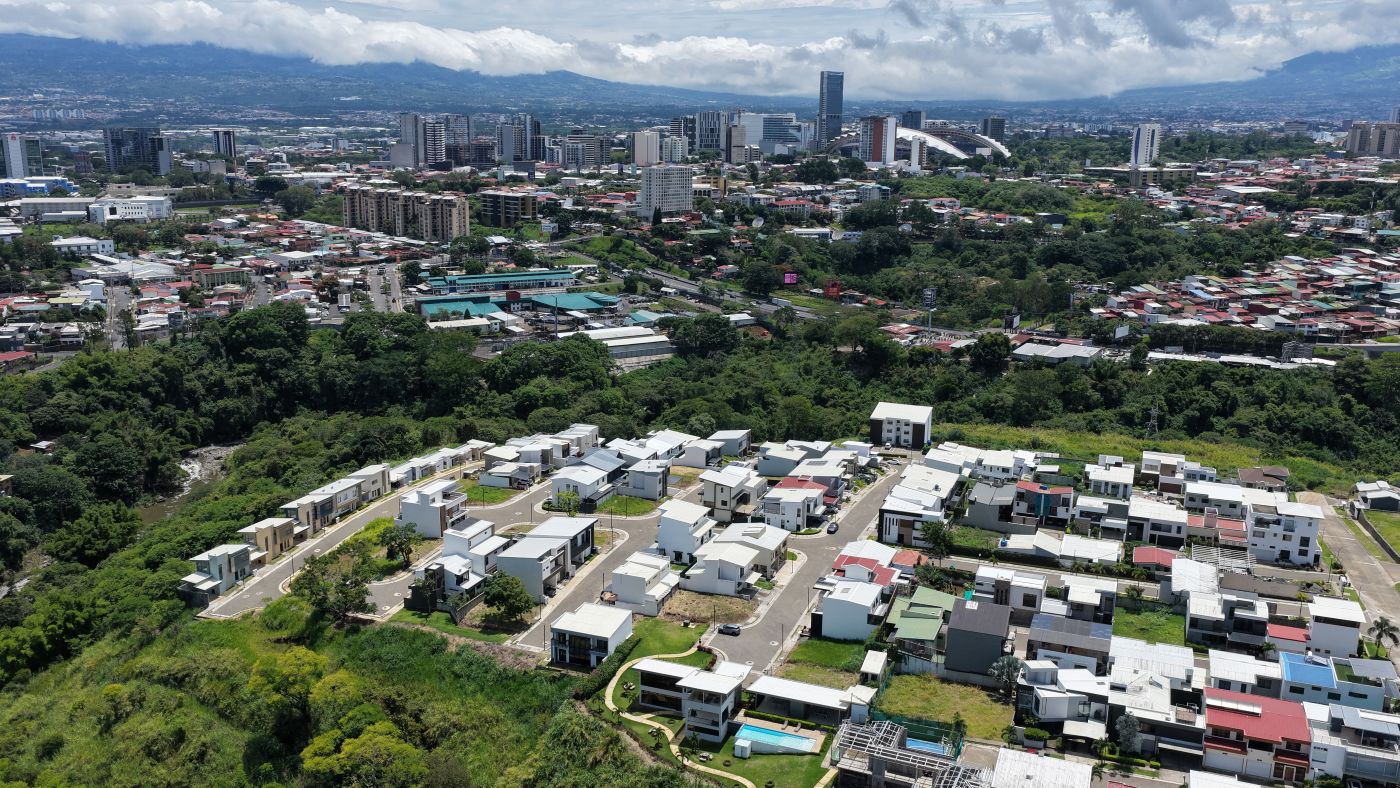
Escazú and Santa Ana Guide: Modern Conveniences, Climate, and Residential Options in the Central Valley
Twenty minutes west of San José along Route 27, the neighboring cantons of Escazú and Santa Ana pair a spring-like mountain climate with Costa Rica's premier hospitals, international schools, and gated residential communities.