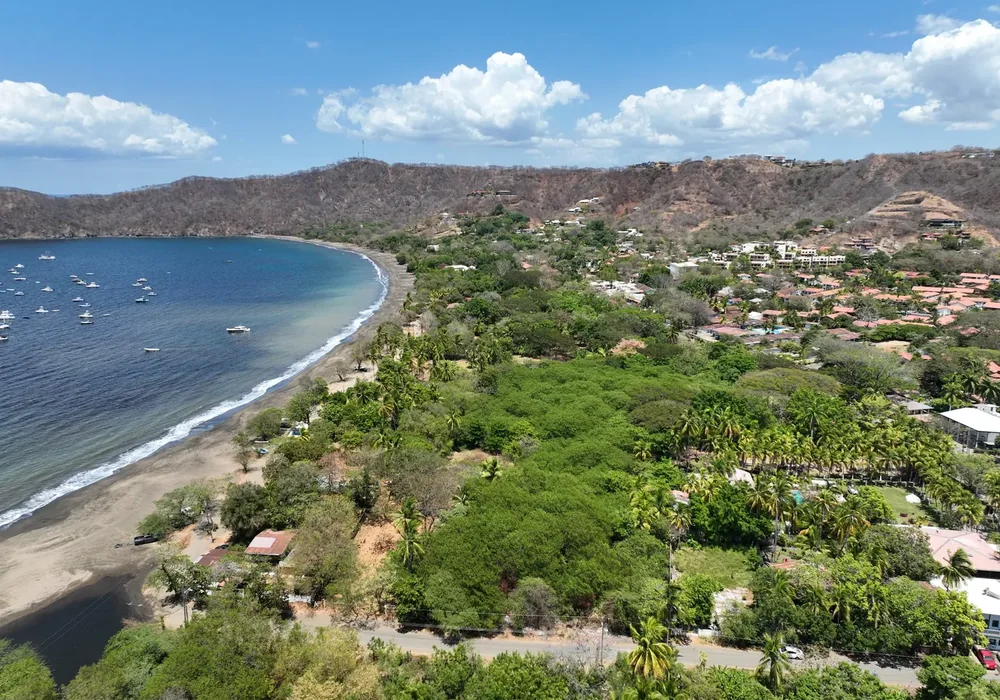
First-time visitors to Costa Rica should choose their base by matching their airport and climate preference: Northern Guanacaste (via LIR airport) offers the sunniest dry-tropical coastline and calm bays like Playas del Coco; Arenal and Monteverde deliver iconic volcanoes, hot springs, and cloud forests; the Central Valley (Escazú and Santa Ana via SJO) provides year-round 24°C spring weather and top hospitals; and the Southern Pacific combines dramatic coastal rainforest with wildlife parks.
Travelers planning their first trip to Costa Rica almost always make the same miscalculation: they look at the straight-line distance between two pins on a map—say, 130 kilometers from Arenal Volcano to the Guanacaste coast—and assume it is a ninety-minute highway cruise. In reality, Costa Rica is a spine of volcanic mountain ranges flanked by two oceans, where elevation shifts of 1,500 meters in forty-five minutes transform dry tropical savannas into mossy cloud forests.
That geographic compression is the secret to why people fall in love with Costa Rica, and why so many one-week visitors find themselves returning a year later to test-drive a longer stay. Rather than trying to check off six hotels in eight nights, the most rewarding approach is to understand the four foundational regions, pick the airport that serves your primary base, and pair one highland or rainforest hub with one coastal town.
1. Guanacaste & the North Pacific Coast (Arrival: Liberia / LIR)
Stretching from the sheltered coves of the Gulf of Papagayo down through Playas del Coco, Playa Hermosa, Flamingo, Potrero, Tamarindo, and the Nicoya Peninsula towns of Nosara and Sámara, Guanacaste is Costa Rica's sunbelt. While much of the country experiences lush tropical humidity, northern Guanacaste sits in a tropical dry forest zone that receives roughly 300 mornings of sunshine per year and minimal rainfall from late November through early May.
What makes northern Guanacaste uniquely approachable for first-time visitors—and for anyone quietly evaluating where they might want a seasonal residence—is Daniel Oduber Quirós International Airport (LIR) just outside Liberia. From the moment you clear customs at LIR, you can reach the beachfront boardwalk and calm horseshoe bay of Playas del Coco in 25 minutes on fully paved roads, or continue south to Flamingo, Potrero, and Tamarindo in 50 to 70 minutes.
- Best for: Calm catamaran sailing, snorkeling, scuba diving at the Catalina Islands, consistent surf breaks (Tamarindo, Avellanas, Guiones), walkable beach towns, and effortless airport logistics.
- Signature hubs: Playas del Coco (full-service working beach town with 4 major supermarkets and a calm boating bay), Playa Hermosa & Panama (quiet family swimming bays), Flamingo & Potrero (full-service marina and residential coves), Tamarindo (lively surf and dining), and Nosara / Sámara (wellness, yoga, and reef-protected bays further south on the Nicoya Peninsula).
- Day-trip range: Even while based on the coast, you are within 75 to 90 minutes of Rincón de la Vieja National Park's volcanic fumaroles, canyon ziplines, Llanos de Cortés waterfall, and rainforest sloth habitats on the Caribbean-divide slopes.
2. Arenal / La Fortuna & Monteverde (The Highland Rainforest Spine)
Located roughly three hours equidistant from both LIR and SJO airports, the northern highlands deliver the postcard images most travelers picture first: the symmetrical cone of Arenal Volcano rising above lush cattle pastures and rainforest valleys, geothermal mineral hot springs heated by underground magma chambers, and the high-elevation cloud forests of Monteverde and Santa Elena.
Here, the rhythm of the day revolves around early morning wildlife walks across suspension bridges before mist rolls over the ridge, afternoon swims beneath the 70-meter La Fortuna Waterfall, and evening soaks in thermal pools surrounded by heliconias and tree frogs. Moving between La Fortuna and Monteverde takes about 3.5 hours around Lake Arenal by road—or via the popular Jeep-Boat-Jeep crossing across the lake.
- Best for: Rainforest wildlife (two- and three-toed sloths, toucans, resplendent quetzals), canopy hanging bridges, geothermal hot springs, and cooler mountain nights.
- Longer-stay perspective: While La Fortuna and Monteverde are world-class 3-to-4-night travel stops, full-time residents here tend to be nature enthusiasts and ecolodge owners who embrace higher year-round humidity and frequent misty rains.
3. The Central Valley: Escazú, Santa Ana & Coffee Highlands (Arrival: San José / SJO)
Many vacationers treat Juan Santamaría International Airport (SJO) as a transit point, hopping straight into a rental car for the coast. Yet for thousands of Costa Rican professionals, international executives, diplomatic families, and retirees, the western suburbs of the Central Valley—specifically Escazú and Santa Ana—are the most comfortable place in the country to live year-round.
Perched between 900 and 1,350 meters (3,000 to 4,400 feet) above sea level, the western valley enjoys what locals call el clima de eterna primavera: daytime highs of 24°C to 27°C (75°F–81°F) and crisp 17°C evenings that rarely require air conditioning or heating. Within fifteen minutes of San Antonio de Escazú or Lindora (Santa Ana), you have JCI-accredited Hospital CIMA, Multiplaza Escazú, Avenida Escazú, PriceSmart, Auto Mercado, and Costa Rica's highest concentration of International Baccalaureate (IB) schools.
4. The Central & Southern Pacific (Manuel Antonio, Dominical, Uvita & Osa)
South of the Tárcoles River along Coastal Highway 34 (the Costanera Sur), the dry savannas of Guanacaste give way to steep, emerald-green mountains that plunge directly into the Pacific surf. In Manuel Antonio, white-faced capuchins, squirrel monkeys, and sloths inhabit coastal headlands framing sheltered crescent coves. Continue forty-five minutes south to Dominical and Uvita (Costa Ballena), and the vibe shifts toward low-density jungle ridges, dramatic ocean-view homesites, waterfalls like Nauyaca, and the famous whale's-tail sandbar at Marino Ballena National Park.
| Region | Primary Airport & Drive | Typical Daytime Climate | Ideal First-Visit Pairing | Long-Term Living Profile |
|---|---|---|---|---|
| North Guanacaste (Playas del Coco, Flamingo, Tamarindo) | LIR (Liberia) · 25–70 min paved | 28–34°C (82–93°F) · Sunniest dry season | 4 nights Playas del Coco + 3 nights Arenal | Top choice for walkable beach living, boating & lock-and-leave condos |
| Central Valley (Escazú & Santa Ana) | SJO (San José) · 20–30 min via Route 27 | 21–27°C (70–81°F) · Spring-like year-round | 2 nights Escazú + 5 nights Pacific Coast | Top choice for hospital proximity, IB schools, cool air & urban dining |
| Arenal / La Fortuna & Monteverde | LIR or SJO · 2.5–3.5 hrs | 22–29°C (Arenal) · 16–22°C (Monteverde) | Pair with Guanacaste or Manuel Antonio | Lush nature retreat; higher rainfall & slower rural pace |
| Southern Pacific (Manuel Antonio, Dominical, Uvita) | SJO · 2.5–3.5 hrs paved (Route 27 + 34) | 26–32°C (79–90°F) · Lush coastal rainforest | 3 nights Cloud Forest + 4 nights Coast | Dramatic jungle-meets-ocean ridges; 4x4 often required for hillside homes |
How to Structure a 7- to 10-Day First Visit (With Room to Breathe)
If your goal is both to enjoy an unforgettable vacation and to get an honest feel for whether Costa Rica could play a larger role in your life, resist the urge to change hotels every 48 hours. Instead, use the Two-Base Rule:
- Fly into Liberia (LIR) for the Northern Circuit: Spend 3 nights in La Fortuna / Arenal for volcano trails, hanging bridges, and hot springs, followed by 4 to 6 nights in Playas del Coco or Flamingo/Potrero. Use at least one morning on the coast to walk through town, visit Auto Mercado, grab coffee at a neighborhood bakery, and see how daily life actually works.
- Fly into San José (SJO) for the Valley-and-Coast Circuit: Spend 2 to 3 nights in Escazú or Santa Ana (taking a day trip to Poás Volcano and Doka Coffee Estate), then drive down Route 27 to spend 5 nights along the Pacific coast—or take an open-jaw flight home out of Liberia (LIR) after finishing in Guanacaste.
Joshua ten Brink has spent more than two decades living, photographing, and developing residential communities in Costa Rica. Through WildPhotography.com he documents Costa Rica's wildlife, coastlines, cloud forests, and everyday life across Guanacaste, the Central Valley, Arenal, Monteverde, and the Southern Pacific.
Common Questions About The First-Timer's Guide to Costa Rica
Should I fly into San José (SJO) or Liberia (LIR) for my first trip to Costa Rica?
Fly into Guanacaste Airport in Liberia (LIR) if your priority is the sunny northern Pacific coast (Playas del Coco is just 25 minutes away, Tamarindo and Flamingo are 55–70 minutes) paired with Arenal or Rincón de la Vieja. Fly into San José (SJO) if you want to explore the Central Valley (Escazú and Santa Ana are 20–25 minutes away), Manuel Antonio, Uvita, or the Caribbean coast.
How many regions should I visit in a one-week Costa Rica trip?
Stick to two bases in a 7-to-9-day trip—typically 3 nights in the rainforest or volcano highlands (such as Arenal or Monteverde) and 4 to 5 nights on the Pacific coast (such as Playas del Coco). Mountain roads wind through dramatic terrain, so fewer hotel transfers mean far more time in the water and on the trails.
Which Costa Rica region is easiest for both visiting and potential future living?
Northern Guanacaste (especially Playas del Coco) and the western Central Valley (Escazú and Santa Ana) offer the strongest combination of international airport proximity (20–25 minutes), multiple full-scale supermarkets, private hospitals, and walkable daily routines.
Bookable Tours & Excursions Mentioned in This Guide
Explore verified small-group and private excursions in this region via Viator and GetYourGuide.
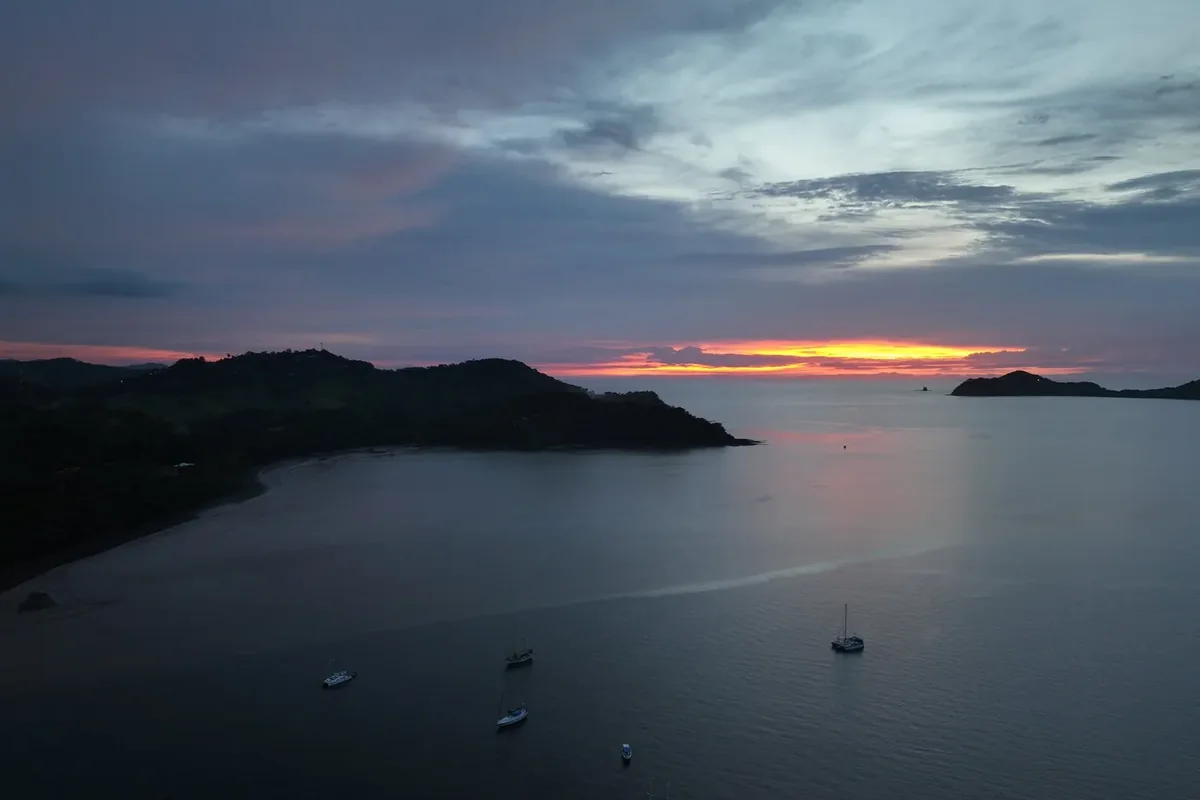
Playas del Coco Catamaran Snorkeling & Sunset Sailing Excursion
Snorkeling gear, guided reef snorkel in a sheltered Culebra Bay cove, freshly prepared BBQ chicken meal, tropical fruit, open bar, and Pacific sunset sail.
Departure: Main beach in front of Bar El Ancla under the Big Tree, Playas del Coco (check-in 1:15 PM)
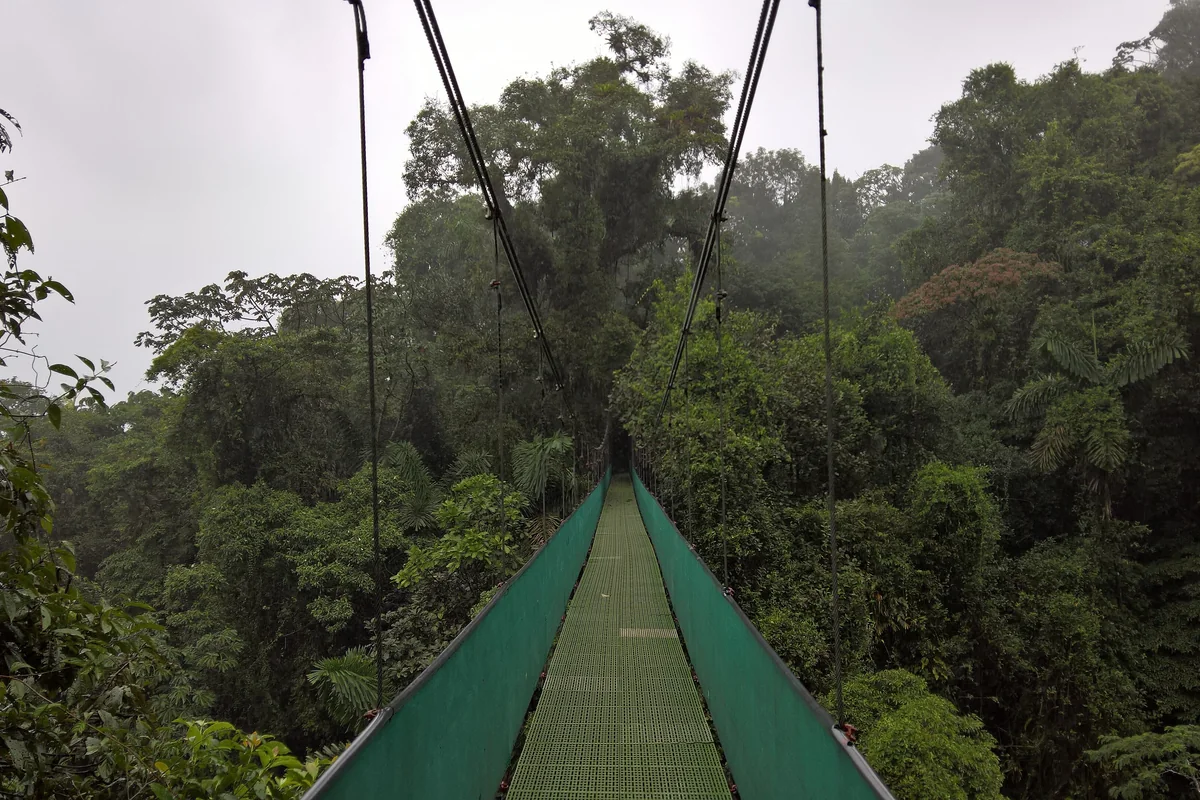
Arenal Volcano Hike, Mistico Hanging Bridges & La Fortuna Waterfall Day Tour
Mistico Park suspension bridges walk with naturalist guide, 70-meter La Fortuna Waterfall entry and swim, traditional lunch, and 1968 lava flow trail walk.
Departure: 7:30 AM pickup from La Fortuna / Arenal area hotels and ecolodges
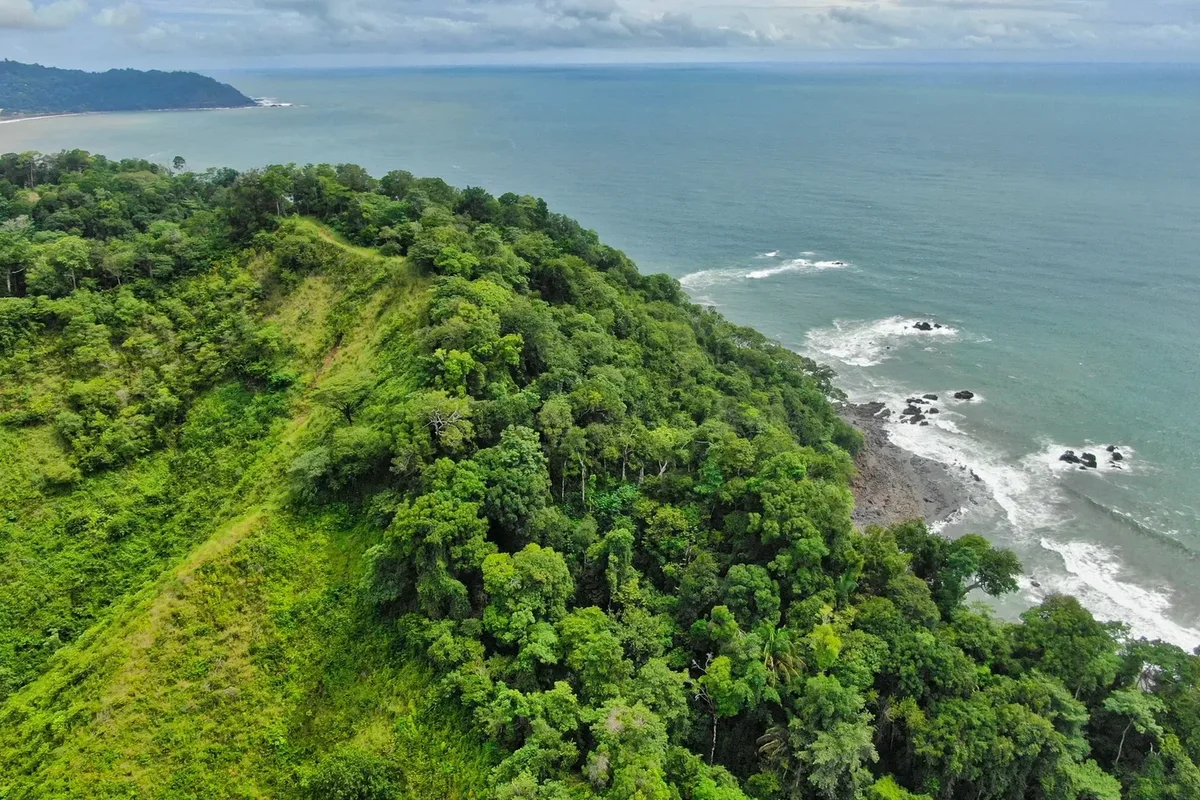
Manuel Antonio National Park Small-Group Naturalist Walk with Spotting Scope
Official park entry ticket (pre-secured), ICT-certified biologist/naturalist guide with HD telescope for sloths, monkeys, and toucans, plus time at Playa Manuel Antonio cove.
Departure: Manuel Antonio National Park main entrance or hotel pickup in Quepos / Manuel Antonio
Related Costa Rica Guides
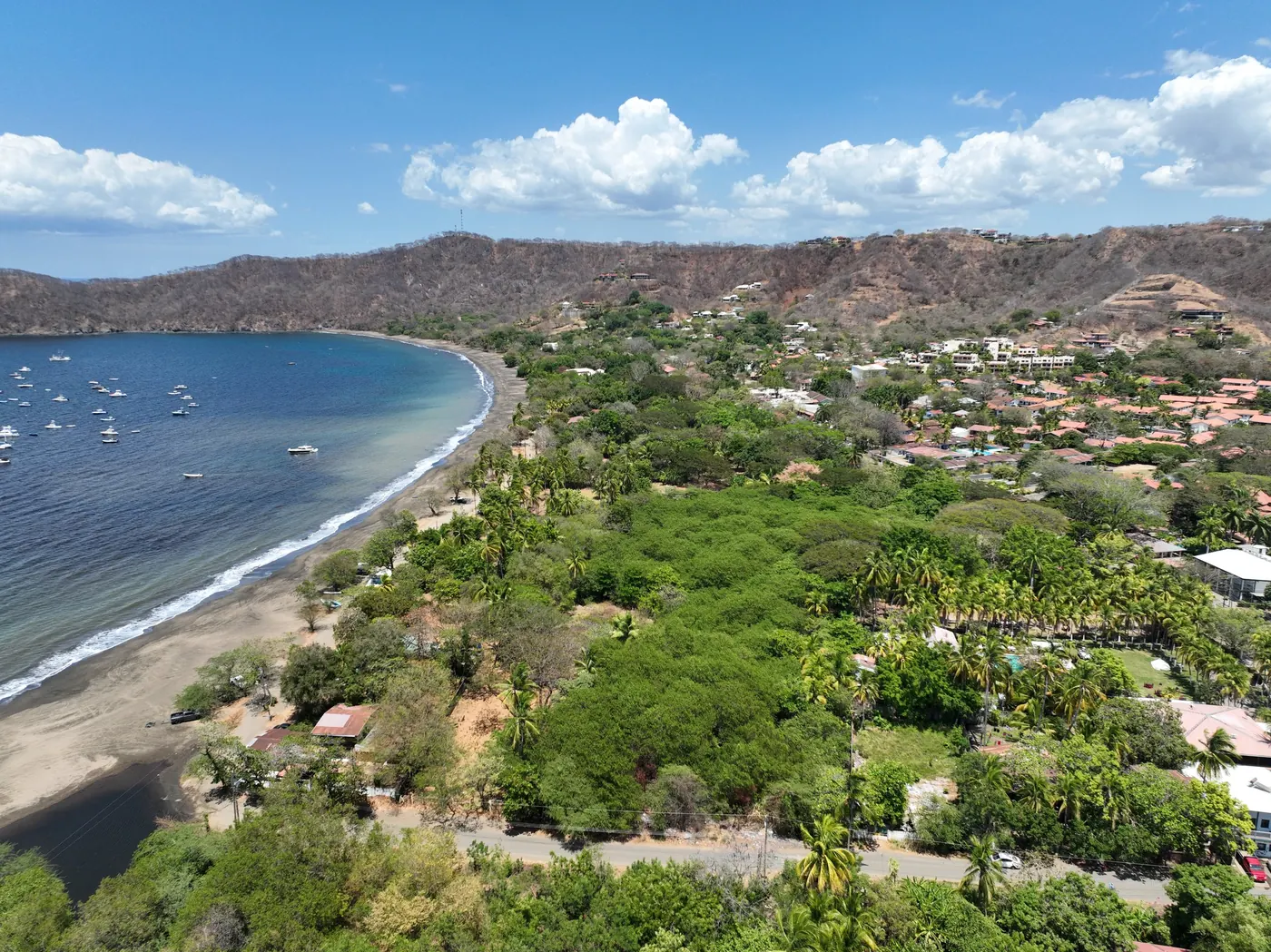
Playas del Coco Complete Guide: Beaches, Boating, Dining & Easy Coastal Living
Just 25 minutes from Guanacaste International Airport (LIR), Playas del Coco pairs a sheltered 3-kilometer bay with the strongest everyday infrastructure on Costa Rica's north Pacific coast.
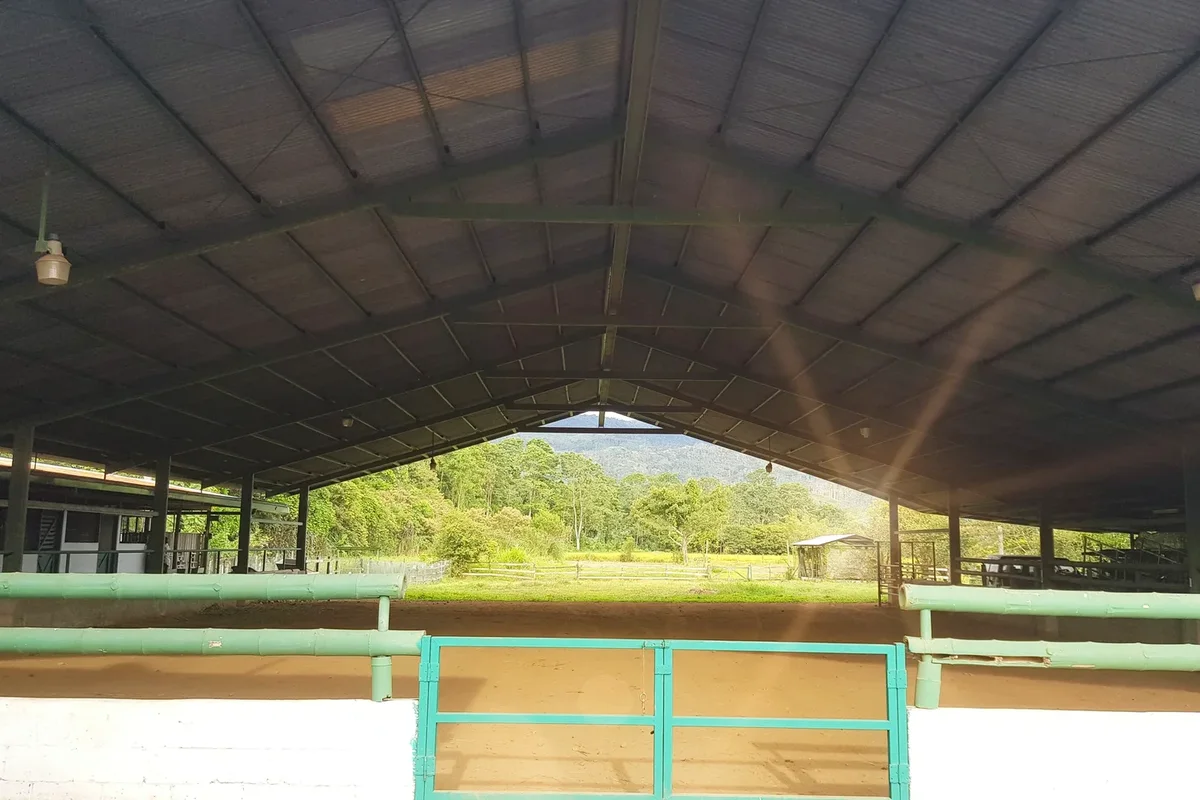
Guanacaste vs. the Central Valley: Coastline or Mountain Spring Climate?
Choosing between a sun-drenched Pacific bay in Guanacaste and the 24°C mountain air of Escazú and Santa Ana is the single biggest decision for long-stay visitors and future residents.
Best Day Trips, Catamaran Cruises, and Nature Experiences from Playas del Coco
One of the biggest advantages of basing yourself in Playas del Coco is that you can enjoy volcanic hot springs, rainforest sloth sanctuaries, waterfalls, and calm-bay catamaran sails—all as easy single-day excursions.
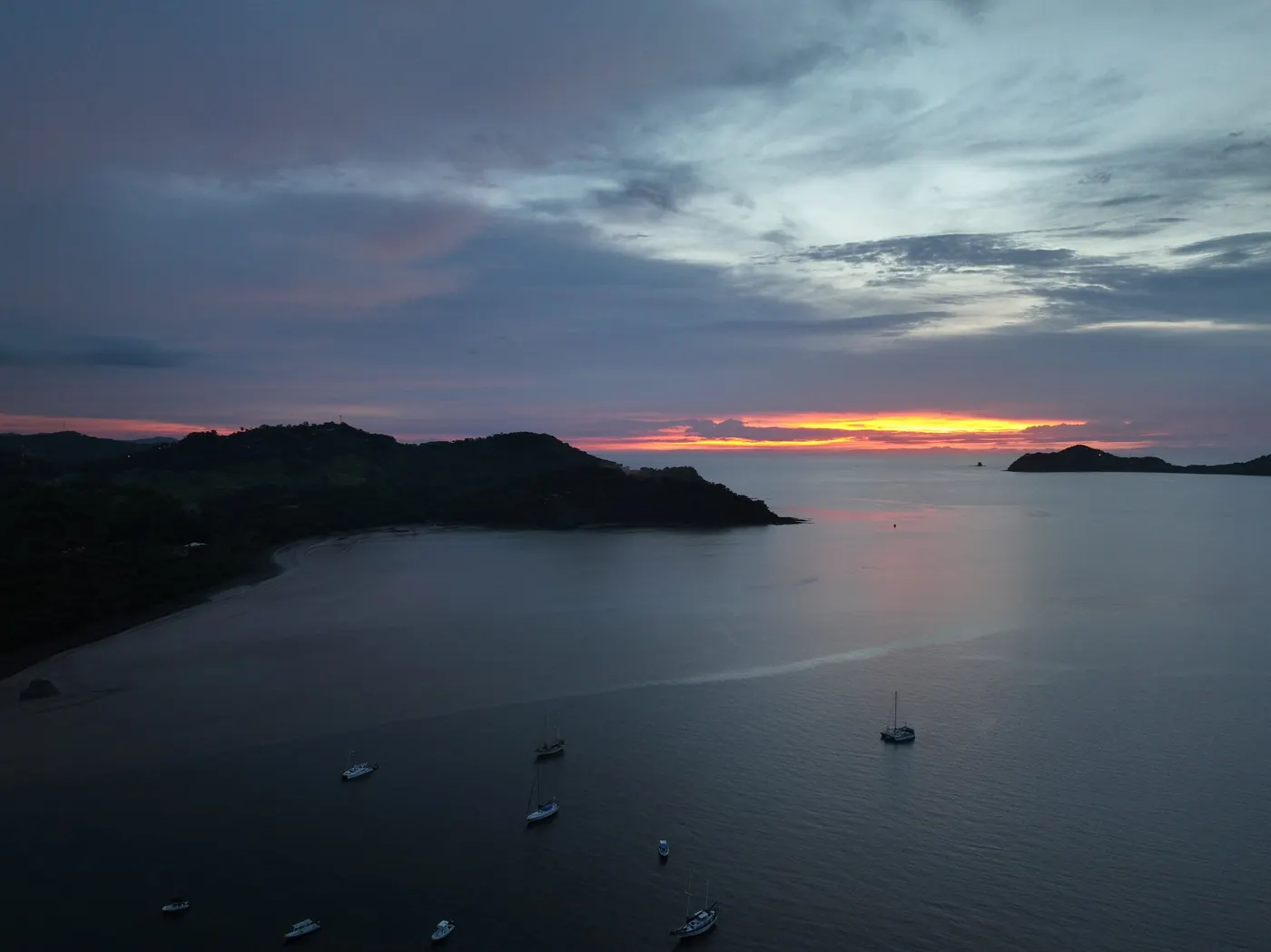
What It Really Costs to Live Well in Costa Rica: Realistic Monthly Budgets
Costa Rica is neither a rock-bottom bargain nor uniformly expensive. Your monthly spending depends almost entirely on three choices: where you live, how much air conditioning you run, and how you shop for food.